
Report
Explore AI
From structuring data in PDFs to writing reports, AI is transforming scientific work. Learn how teams around the world are putting AI into practice.
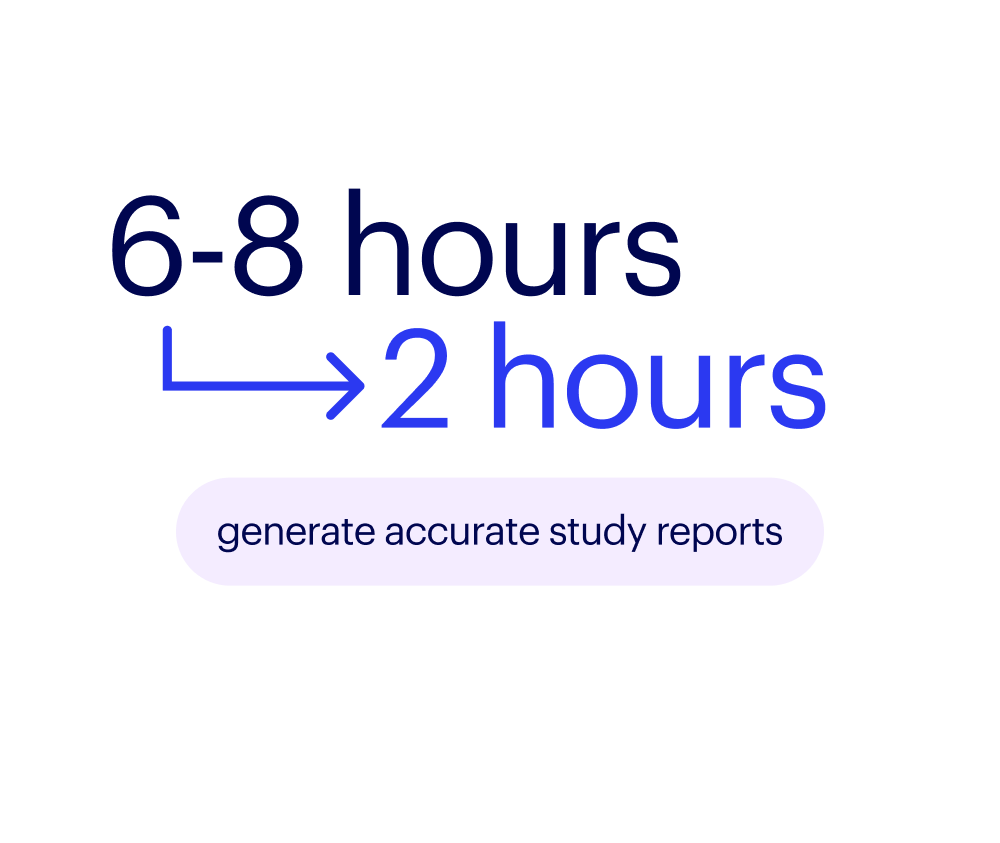
Regulatory report writing grinds to a halt when teams spend days tracking experiment IDs, cross-referencing notebooks, and verifying protocols before drafting can even begin. That’s where AI comes in, to remove the manual work of searching and reasoning across data.
Regulatory writers can reduce manual prep needed for each report. Writers can instead focus on narrative clarity, consistency, and regulatory judgment — delivering accurate reports, faster. One biotech leader said what used to take 6-8 hours of reviewing, QA, and QC for study reports can be reduced to 2 hours or less with Benchling’s Deep Research Agent.
More use cases include:
Tech transfer packages
Batch comparison
Result analysis
Summarize study status
Scientific modeling often slows discovery when advanced tools require specialized expertise, custom scripts, or handoffs to computational teams. Often scientists wait days for structure predictions, breaking momentum and limiting how often modeling informs experimental decisions.
With integrated structure prediction, scientists can model antibodies, explore rational mutations, and analyze binding directly alongside their experimental data. That’s exactly what Benchling Models offers. Scientists can cut context switching and move from hypothesis to modeling to experimentation, without relying on specialists.

Years of experimental data often live in inconsistent formats — legacy ELN entries, CRO spreadsheets and PDFs, and dense assay outputs that were never designed to scale. Teams struggle to reuse or analyze this work without months of manual cleanup.
That’s where AI can help. Structure messy historical data into consistent formats. The result is historical data that’s searchable, analyzable, and usable alongside current work, without disrupting ongoing research.
More use cases include:
Structured data organization
Protocol template building
Complex procedure creation
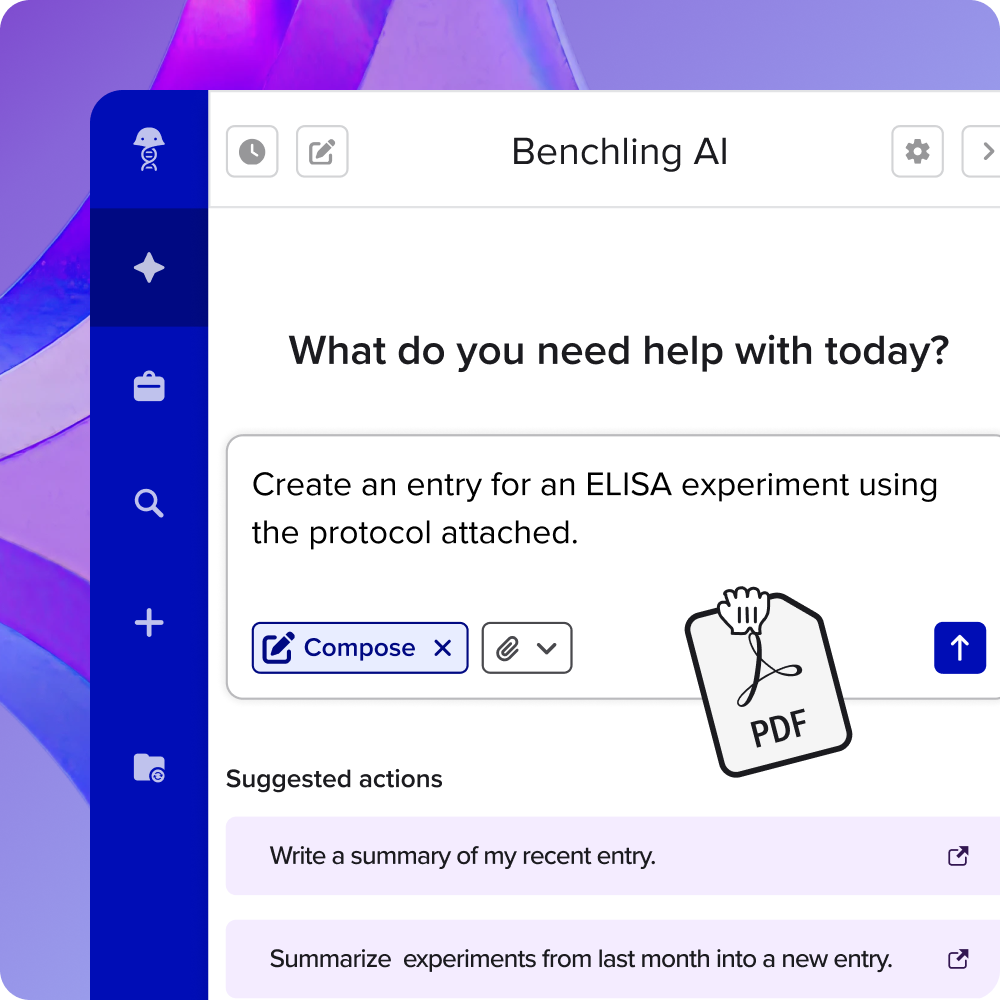
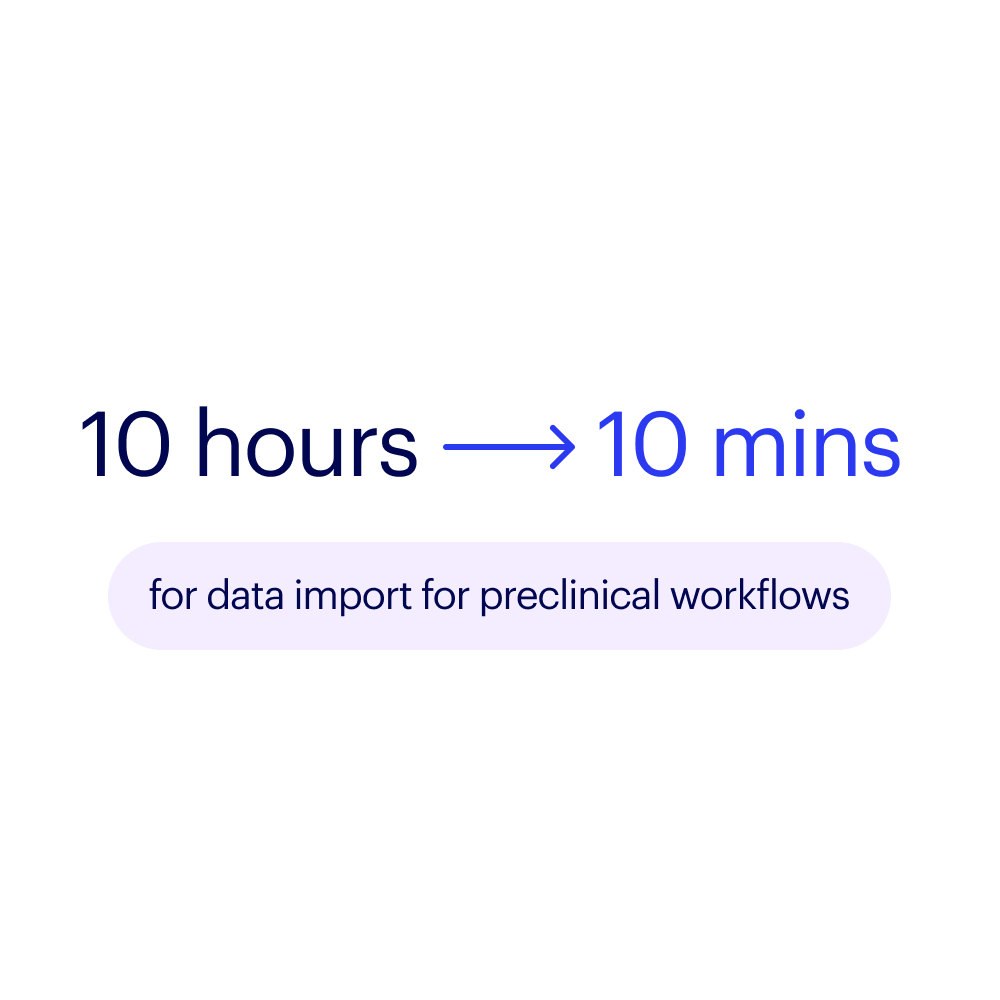
Experimental data rarely arrives in a usable form. Preclinical results come back from CROs as inconsistent spreadsheets or PDFs, internal assays generate dense instrument outputs, and years of legacy work live in unstructured notebooks. Teams lose time cleaning and reformatting data before it can be used. Using AI to format raw data, teams can move faster and with more precision.
“It has saved many hours, but more importantly, many brain cells,” said a data scientist at a biotech company, processing complex preclinical data from CROs. “Now it takes about 10 minutes, and I don’t even need to think about it.”
More use cases include:
CRO report PDFs
Legacy data import
Excel spreadsheet import
Instrument CSV import