The science behind one family’s hope: A patient story from Seattle Children's Hospital
Mallory Carlson had just moved her family to Seattle when, two weeks after arriving, her infant daughter Josie started showing signs of a cold. A few urgent care visits later, Mallory was sitting in the ER at Seattle Children's Hospital at 2am when the doctor came in with life-changing news. Josie had leukemia.
She immediately had one question. What does this mean for Josie’s identical twin sister?
That night Lucy was brought in. Within 24 hours, both babies had been diagnosed with infant acute lymphoblastic leukemia (ALL), a rare, aggressive cancer affecting roughly 130 babies a year in the US.
"I never could have imagined what was to come," Mallory said.
For families like the Carlsons, the diagnosis is only the beginning. What comes next is the waiting.
Shortening the long timeline of cancer diagnosis
When a baby arrives at Seattle Children's Hospital with leukemia, the clinical team needs to move quickly. But determining the specific type of leukemia, and how to treat it, requires six to eight separate tests that altogether can take up to two months to return results. It creates a real clinical risk as teams are often forced to start treatment based on incomplete information, then have to pivot when the results come back weeks later.
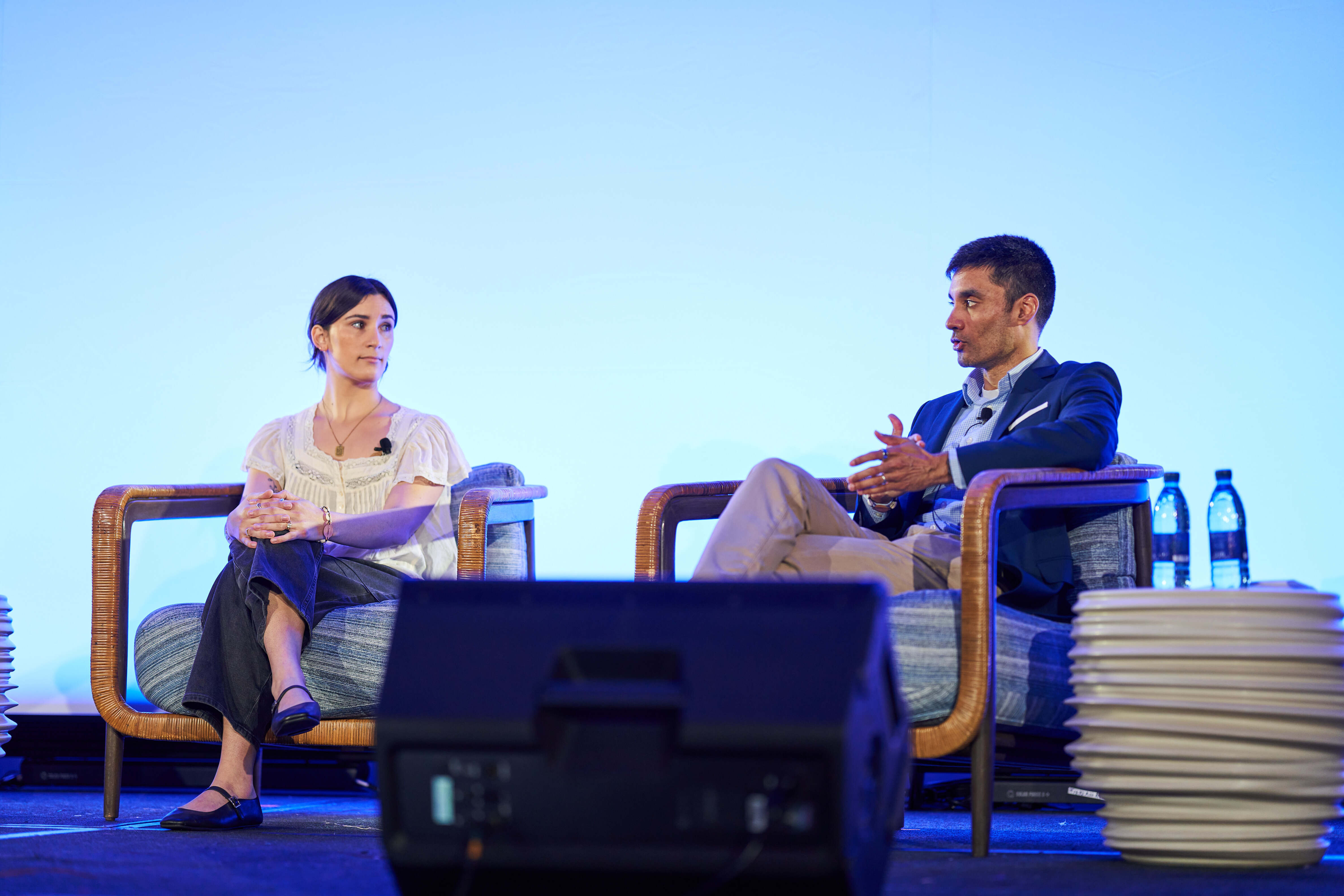
This is the problem Dr. Jay Sarthy has dedicated his lab to solving. He's a hematologist-oncologist at Seattle Children's Hospital and the Fred Hutchinson Cancer Center, and founder of the Sarthy Lab. His research focuses on compressing the diagnostic timeline and finding less toxic treatments for children with blood cancers.
"It's so frustrating for us and for families to have to sit there and wait for this information to come back, day after day," Jay said.
His lab has been developing long-read DNA sequencing assays that can return a full suite of results within one day instead of six to eight weeks. The goal is to give clinicians the full picture before critical treatment decisions are made. For a family sitting in a hospital room waiting to understand what they're dealing with, the difference is significant.
The critical technology the Sarthy Lab uses to drive better patient outcomes
Getting a sample from the patient to result requires tight coordination across multiple teams: from the nurses drawing blood, to the genomics core running the sequencer, to Jay's lab for analysis. Everyone needs to know where a sample is, what's been done to it, and what comes next.
Seattle Children's Hospital has been using Benchling since 2024 to manage that handoff chain. This ensures that sample information, processing history, and sequencing status are all trackable in one place and accessible to everyone involved.
"With everybody on our team being able to access Benchling, they can see exactly where a sample is in the pipeline," Jay said. "It's essential."
The Sarthy lab is also using Benchling AI to shorten timelines and optimize their efficiency. One example is taking pictures of a plate and having the Data Entry Agent log the samples directly into Benchling. The agent reads the plate, extracts the sample data, and structures it automatically — faster than manual entry and reducing the risk of a miscoded experiment. For a diagnostic workflow where a single mislabeled sample can mean treatment delays for a patient, that accuracy matters.
The lab is also using Benchling AI for documentation. One scientist shared how they use the Compose Agent to draft entries for assays that don't run often enough to have dedicated templates. The agent pulls from existing lab context and produces a first draft in seconds, ready for human review. This further helps to develop a structured data foundation that makes deeper analysis possible down the line.
When Mallory hears about that kind of speed, she's not thinking about workflows. She thinks about her daughters.
"Shortening that length of time and getting faster answers is giving my daughters a true chance at survival."
The clinical trial that gave the twins a fighting chance
Infant acute lymphoblastic leukemia (ALL) is so rare that most treatment protocols weren't designed for babies. They were built for older children and applied downward. Treatment options are limited, and the standard approach has historically involved some of the most toxic chemotherapy regimens in medicine. But a new clinical trial at Seattle Children's is changing that, using drug combinations that could be effective with less toxicity.
The trial uses venetoclax, a potent anti-apoptotic inhibitor originally developed to treat lymphoma and lung cancer in adults. It took more than 20 years of study across adult populations, then older children, before enough safety data existed to test it in infants.
Getting there required solving a data problem unique to rare diseases. With only 130 cases a year, there aren't enough cases to identify drug sensitivity patterns on their own. But AI can bridge that gap by cross-referencing signatures from infant leukemias against larger adult datasets and surfacing patterns that might otherwise take years to emerge. It's this kind of analysis, Jay explained, that helped identify the drug sensitivity profiles the trial is now built around.
"For rare diseases, AI can be really helpful in uncovering patterns we otherwise would have missed," Jay said.
For Jay, venetoclax carries a deeper history. His mother spent 35 years as a cancer researcher at Abbott Labs and was part of the original team that developed it. Neither of them could have known that it would eventually reach patients like Josie and Lucy. As AI continues to improve workflows and surface patterns faster, the timeline from lab to patient will only get shorter.
The road ahead is unknown, but lined with hope
For families like Mallory's, the work happening in the Sarthy Lab is personal. Behind every shortened diagnosis and treatment that reaches the clinic is a patient who no longer has to wait.
Josie and Lucy are still in the middle of a long treatment journey, and for the Carlson family, the future remains uncertain. The family still has months of treatment ahead before they can think about going home.
"Regardless of the outcome for my children, I knew the trial would help future children," Mallory said. "When you're trying to make sense of the unimaginable, you have to hold on to some kind of hope."
That hope, for Mallory, is grounded in the researchers, the clinicians, and the teams building the tools to help science move faster and uncover insights for the patients who need it the most.
"The work you're doing — there are actual humans on the other side of it. You all are giving me hope."
Josie and Lucy Carlson are patients at Seattle Children's Hospital. To support their family directly, you can donate to Mallory's GoFundMe.
To support pediatric cancer research, you can donate directly to organizations like Seattle Children's Hospital, St. Jude Children's Research Hospital, or Alex's Lemonade Stand Foundation.